




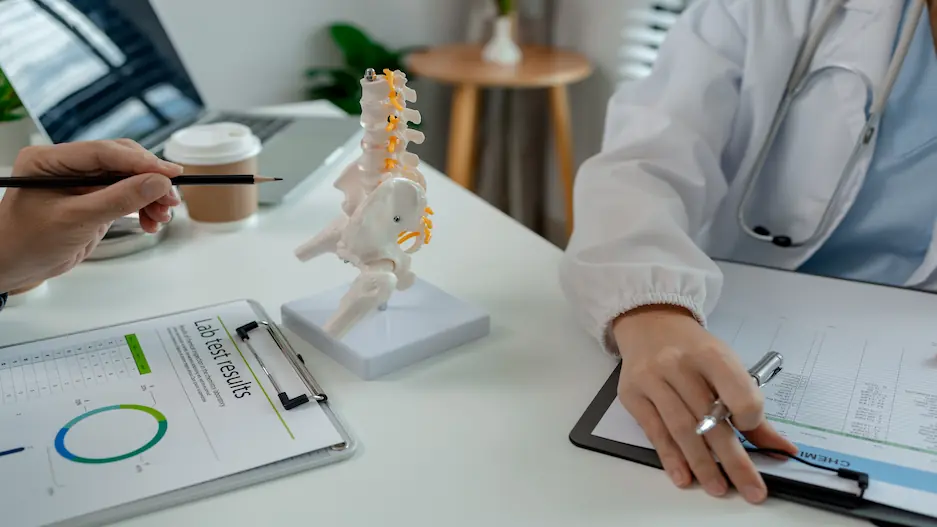
Understanding Musculoskeletal Pain
Musculoskeletal pain is a broad term for pain that affects the bones, muscles, ligaments, tendons, and nerves. It can range from a localised issue, such as lower back pain, to a widespread condition like arthritis. MSK pain is extremely common and is a leading cause of disability worldwide. The general practitioners at Royal Knight Medical are experienced in managing a wide spectrum of MSK conditions.
Common Musculoskeletal Conditions We Manage
At Royal Knight Medical, a variety of MSK conditions are diagnosed and managed.
Back Pain
Back pain, especially lower back pain, is a very common complaint. While it often improves on its own within a few weeks, it can sometimes become a chronic issue. The causes of back pain are numerous and can include muscle strains, a slipped disc, or sciatica. The GPs at Royal Knight Medical can help identify the cause of your back pain and recommend appropriate treatment.
Arthritis
Arthritis is a condition that causes pain, swelling, and stiffness in the joints. There are many different types of arthritis, with osteoarthritis and rheumatoid arthritis being two of the most common. Osteoarthritis often affects weight-bearing joints like the knees and hips, while rheumatoid arthritis is an autoimmune condition that can affect multiple joints. Early diagnosis and management are key to controlling symptoms and preventing joint damage.
Our Approach to Diagnosis and Treatment
Royal Knight Medical takes a patient-centred approach to diagnosing and treating musculoskeletal pain.
Comprehensive Consultation
Your journey begins with a thorough consultation with a general practitioner. They will take a detailed medical history and discuss your symptoms, including the nature of your pain, when it started, and what makes it better or worse.
Diagnosis
To reach an accurate diagnosis, your GP may perform a physical examination of the affected area. In some cases, further investigations may be necessary, such as:
- Blood tests to look for markers of inflammation.
- Imaging studies like an X-ray or ultrasound scan to get a better look at your bones and joints.
Personalised Treatment Plan
Once a diagnosis is made, your GP will work with you to create a personalised treatment plan. This may include a combination of the following:
- Medication: This can range from simple painkillers and anti-inflammatory medicines like ibuprofen to more specialised drugs for conditions like rheumatoid arthritis.
- Physiotherapy: You may be referred to a physiotherapist who can teach you exercises to improve your strength, flexibility, and posture. In some cases, you may be able to self-refer to NHS physiotherapy services.
- Lifestyle Advice: Your GP can provide advice on how to manage your pain through lifestyle changes, such as regular low-impact exercise (swimming, walking, yoga), maintaining a healthy weight, and quitting smoking.
- Referral to Specialists: If your condition is complex or requires specialised care, your GP can refer you to a rheumatologist or an orthopaedic surgeon.
Frequently Asked Questions (FAQs)
When should I see a GP for musculoskeletal pain?
You should see a GP if you have pain, swelling, or stiffness in your joints or muscles that doesn’t improve after a few days of self-care, or if the pain is severe and affecting your daily activities. It is important not to ignore persistent pain.
Can I do anything at home to help my back pain?
Yes, for most simple back pain, staying active is recommended. You can also try gentle stretches and use heat or ice packs to soothe the area. Over-the-counter anti-inflammatory medication can also be helpful. However, if the pain is severe or doesn’t improve, you should consult a GP.
Is there a cure for arthritis?
Currently, there is no cure for most types of arthritis. However, there are many effective treatments available that can help manage the symptoms, reduce pain and inflammation, and improve your quality of life. Early and proactive management is the best approach.

