




Understanding Common Skin Conditions
Skin diseases are conditions that affect the skin, causing issues like rashes, inflammation, itchiness, or other changes. They are incredibly common and can affect people of all ages. A general practitioner is often the first point of contact for patients with skin problems, providing initial diagnosis and ongoing management. While many skin conditions are not life-threatening, they can cause significant discomfort and distress.
Common Skin Conditions We Manage
Royal Knight Medical has extensive experience in managing a broad spectrum of dermatological issues within a primary care setting.
Acne
Acne is one of the most common skin conditions, affecting the majority of people at some point in their lives. It is caused by hair follicles becoming blocked with oil and dead skin cells, leading to spots, oily skin, and sometimes skin that is painful to touch. Acne typically appears on the face, back, and chest. While it is most prevalent during teenage years due to hormonal changes, it can persist into adulthood.
Atopic Eczema (Dermatitis)
Atopic eczema is a chronic condition that causes the skin to become itchy, dry, cracked, and sore. It is particularly common in children but can affect adults as well. The exact cause is unknown, but it often occurs in people who have allergies, and it can be triggered by various factors including soaps, detergents, stress, and weather changes. While there is no cure, effective treatments are available to manage the symptoms.
Rashes and Other Skin Concerns
Royal Knight Medical also diagnose and treat a variety of other skin rashes and concerns. These can be caused by infections, allergies, or underlying health conditions. A proper diagnosis is key to effective treatment, which may range from simple lifestyle advice to prescribed medications.
Diagnosis and Consultation
An accurate diagnosis is the first step towards effectively managing any skin condition. We take a thorough approach to diagnosis, which includes:
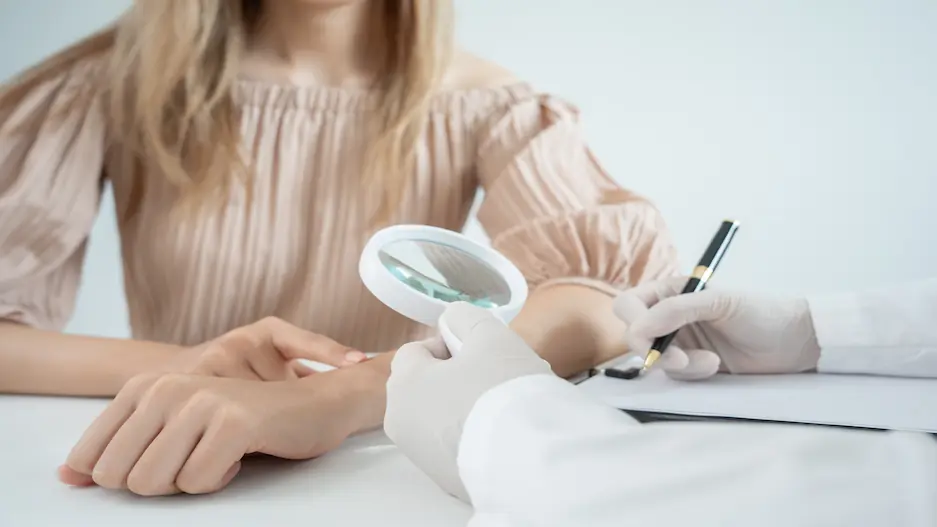
- Visual Examination: A careful inspection of the affected skin is often the most important part of the diagnostic process.
- Medical History: Discussing the patient’s symptoms, lifestyle, family history, and any potential triggers helps to form a complete clinical picture
- Further Investigations: In some cases, a skin scraping, swab, or blood test may be required. For more complex cases, Royal Knight Medical may refer patients to a specialist dermatologist for further assessment.
Treatment Approaches
Treatment for skin conditions is highly individualised and depends on the specific diagnosis and severity of the condition. Royal Knight Medical’s approach focuses on both relieving symptoms and preventing future flare-ups.
Topical Treatments
Many skin conditions are managed with treatments applied directly to the skin. These include:
- Emollients (Moisturisers): These are fundamental in managing dry skin conditions like eczema, helping to restore the skin’s natural barrier.
- Topical Corticosteroids: Steroid creams and ointments are used to reduce inflammation and are a mainstay of treatment for eczema and other inflammatory rashes.
- Acne-Specific Preparations: Treatments containing benzoyl peroxide or topical retinoids can be very effective for mild to moderate acne.
Oral Medications
For more severe or widespread skin conditions, oral medications may be prescribed. These can include:
- Antibiotics for infected eczema or moderate to severe acne.
- Antihistamines to help control itching.
Royal Knight Medical ensures that patients are fully informed about their treatment options and works with them to find the most suitable and effective plan.
Frequently Asked Questions (FAQs)
When should I see a GP for a skin condition?
You should see a GP if your skin condition is not improving with over-the-counter treatments, if it is causing you significant discomfort or distress, or if you are concerned about the appearance of a mole or lesion. If your skin is infected (painful, swollen, with pus), you should seek an urgent appointment.
Can my diet affect my skin condition?
For some people, certain foods can trigger or worsen skin conditions like acne or eczema. However, this is not the case for everyone. It is important not to make significant dietary changes without first discussing it with a doctor. Royal Knight Medical can provide advice on whether dietary factors may be relevant to your specific condition.
Are skin conditions contagious?
Most common skin conditions like acne and eczema are not contagious and cannot be spread from person to person. Some rashes can be caused by infections that are contagious, which is why a proper diagnosis from a healthcare professional is important.

