




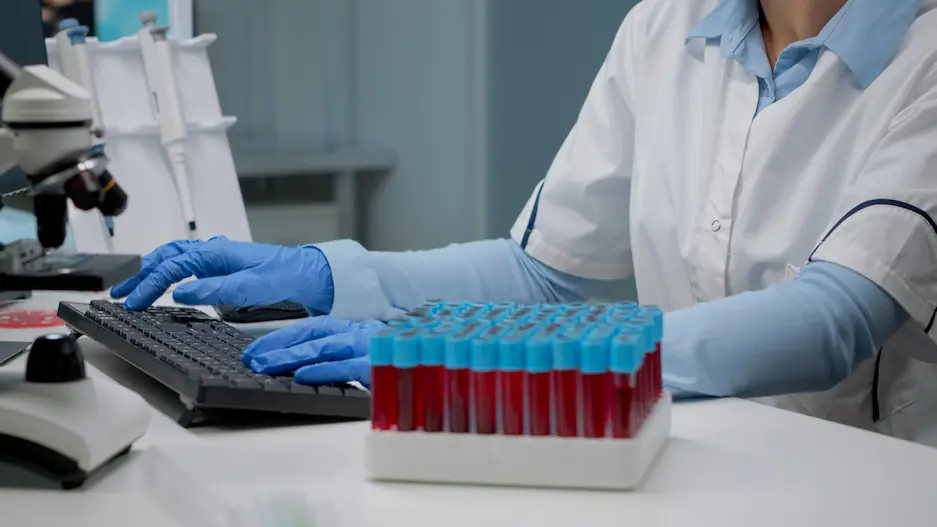
What Are Blood Test Diagnostics?
Blood test diagnostics involve the laboratory analysis of a blood sample to detect various health markers, including the function of organs, the presence of diseases, and the effectiveness of treatments. A blood test can reveal a significant amount of information about an individual’s health status, often before symptoms of a condition become apparent. This makes them a cornerstone of preventive healthcare and routine check-ups.
Why Are Blood Tests Important?
Blood tests are a vital component of healthcare, offering numerous benefits for both patients and medical professionals. They are instrumental in:
- Assessing General Health: Routine blood tests provide a baseline of an individual’s health, allowing for the early detection of potential issues.
- Diagnosing Conditions: When a patient presents with symptoms, blood tests can help identify the underlying cause, such as infections, diabetes, or thyroid problems.
- Monitoring Chronic Conditions: For individuals with long-term health conditions like heart disease or kidney disease, regular blood tests are essential for managing the condition and adjusting treatment plans as needed.
- Evaluating Organ Function: Blood tests can assess the performance of vital organs, including the liver, kidneys, and heart.
- Screening for Genetic Conditions: Certain blood tests can identify genetic markers for inherited conditions.
The Blood Test Procedure
The process of having a blood test is typically straightforward and quick, involving a few simple steps.
Before the Test
In some cases, preparation may be required before a blood test. This might include fasting (not eating or drinking anything except water) for a specific period or temporarily stopping certain medications. The healthcare professional ordering the test will provide specific instructions based on the type of test being performed.
During the Test
A small sample of blood is usually drawn from a vein in the arm. A healthcare professional will clean the area, and a needle is used to collect the blood into one or more vials. The procedure is generally quick and causes minimal discomfort, often described as a slight scratch.
After the Test
Following the test, a small plaster or cotton wool is applied to the site. Some minor bruising or swelling may occur, but this typically resolves within a few days. The blood sample is then sent to a laboratory for analysis.
Common Types of Blood Tests
There is a wide range of blood tests that can be performed, each looking for different health indicators. Some of the most common tests include:
| Test Name | Purpose |
|---|---|
| Full Blood Count (FBC) | Measures the levels of red blood cells, white blood cells, and platelets to detect infection or anemia. |
| Renal Function Tests | Assess kidney health through blood (eGFR, creatinine), usually to detect Acute Kidney Injury (AKI) and Chronic Kidney Disease (CKD). |
| Liver Function Tests (LFTs) | Are blood tests assessing liver health by measuring enzyme, protein, and bilirubin levels. Key markers include ALT, ALP, Albumin, and Bilirubin to identify inflammation, damage, or biliary issues. |
| Lipid Profile | Measures cholesterol and triglycerides to evaluate cardiovascular risk. |
| Thyroid Function Tests (TFTs) | Assesses thyroid gland function by measuring levels of thyroid hormones. |
| Glucose and HbA1c | To screen for diabetes and monitor blood glucose levels. |
| Bone Profile | A common diagnostic tool used to assess bone health by measuring levels of minerals, proteins, and enzymes, including calcium, phosphate, and alkaline phosphatase (ALP). |
| Vitamin D | For those with symptoms of deficiency, such as bone pain, muscle weakness, or specific underlying conditions. |
| Coagulation Screen | Measures the blood’s ability to clot. |
When to Consider a Blood Test
A general practitioner may recommend a blood test during a routine check-up or if a patient is experiencing unexplained symptoms. They are also used to monitor the effectiveness of a new medication or to manage an ongoing health condition. Individuals are encouraged to discuss with their healthcare provider whether a blood test is appropriate for their circumstances.
Frequently Asked Questions (FAQs)
How long does it take to get blood test results?
The time it takes to receive results can vary depending on the type of test. Most results are available on the same day, while more complex tests may take longer.
Is fasting always necessary before a blood test?
Not all blood tests require fasting. Your healthcare provider will inform you if you need to fast and for how long before your specific test.
Are blood tests painful?
Most people experience only minor discomfort, similar to a quick pinprick, during a blood test. The sensation is brief, and any discomfort usually subsides quickly.
Can blood tests detect cancer?
While some blood tests can detect certain markers that may indicate the presence of cancer, they are not a definitive diagnosis on their own. Further diagnostic imaging and biopsies are typically required to confirm a cancer diagnosis.

